01
Build the virtual cell baseline
Fuse multi-omics and clinical context into a disease-relevant cell-state baseline with an intervention-ready space.
CreateCured Biotechnology
Computing Life, Creating Cures
From multi-omics data to virtual disease digital twins
CreateCured combines AI biocomputing, multi-omics, clinical phenotyping, and 3D organoid validation to build actionable disease digital twins and move from mechanism discovery to translational validation with clearer experimental priority.
Capability model
4 technology pillars
Validation path
Compute first, validate fast
Core method
AI + multi-omics
Multi-omics Analysis
CreateCured brings whole-genome, single-cell, proteomic, and cross-omics evidence into one computational framework, turning complex disease data into interpretable and experimentally testable mechanism leads.
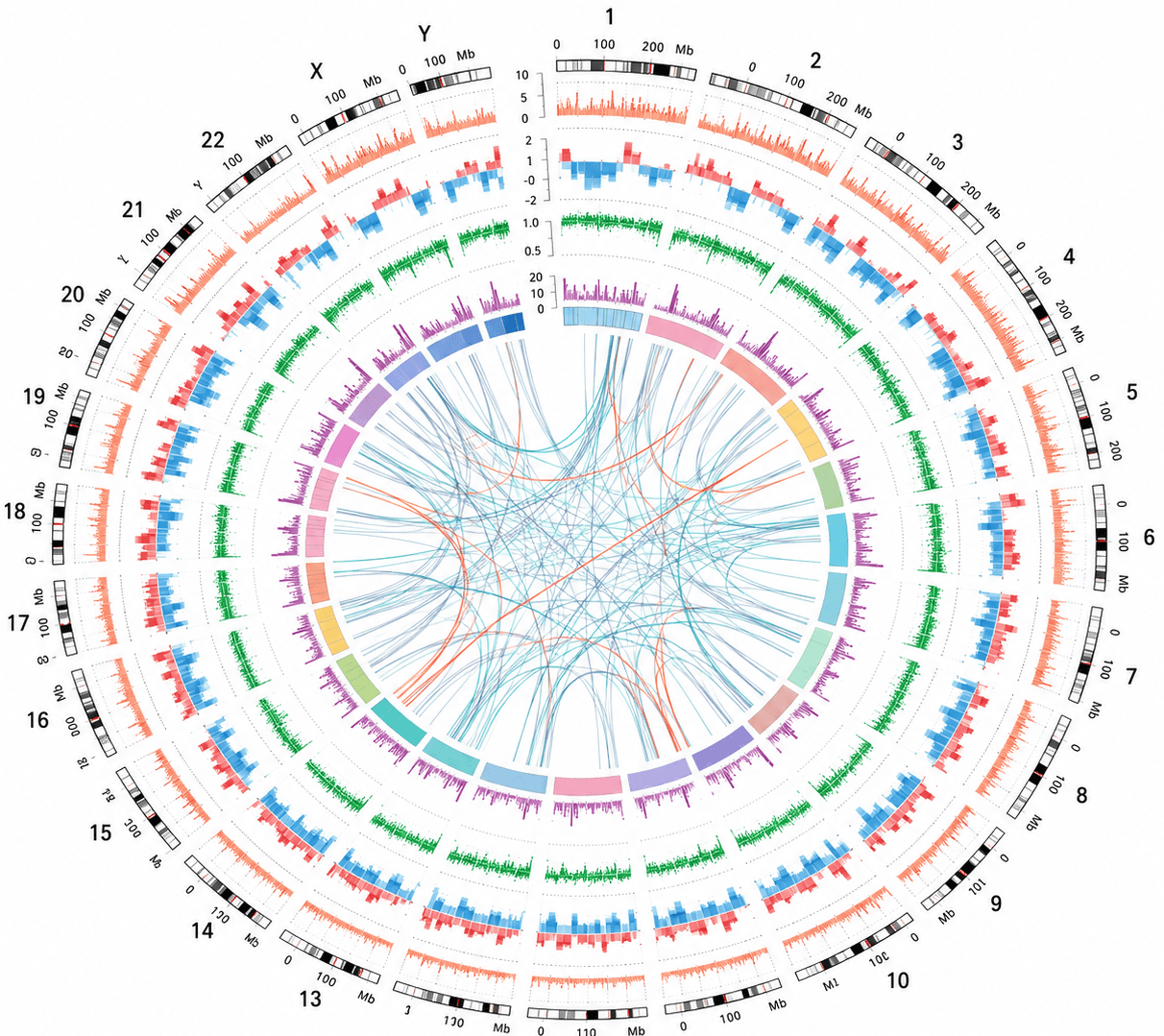
Interpret SNVs, CNVs, structural variants, and driver events to map disease genetics, risk loci, and candidate targets.
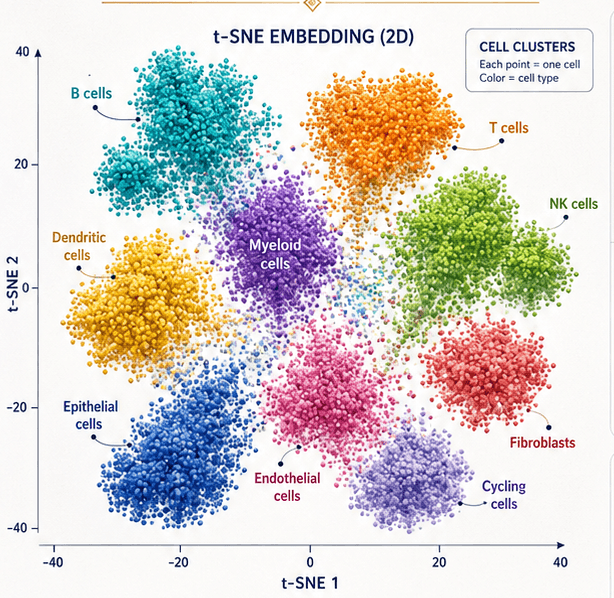
Resolve cell populations, state transitions, and microenvironment interactions to identify disease-driving states and transition points.
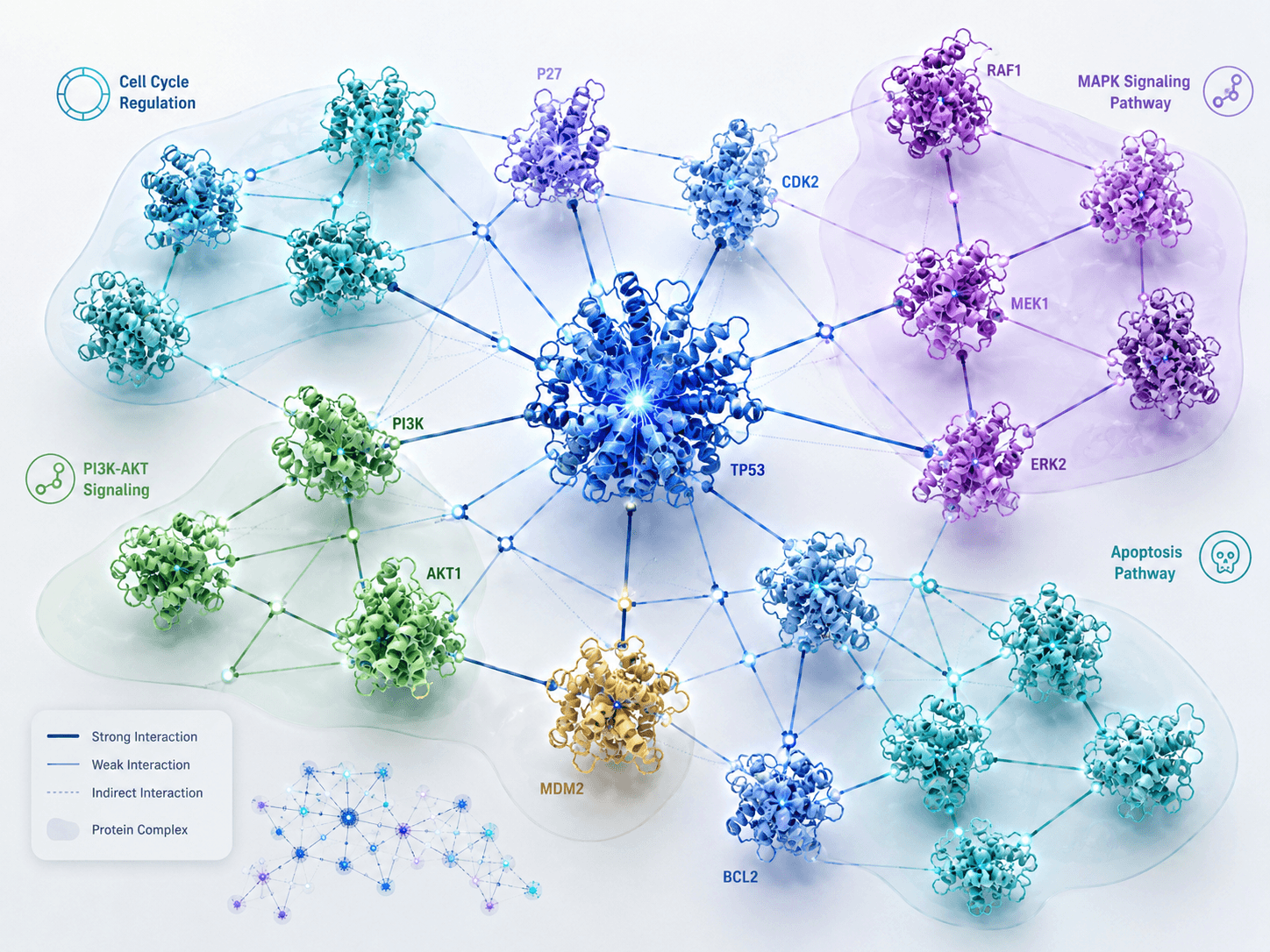
Read out functional-layer signaling and pathway activity, linking genomic perturbation to measurable biology and drug response.
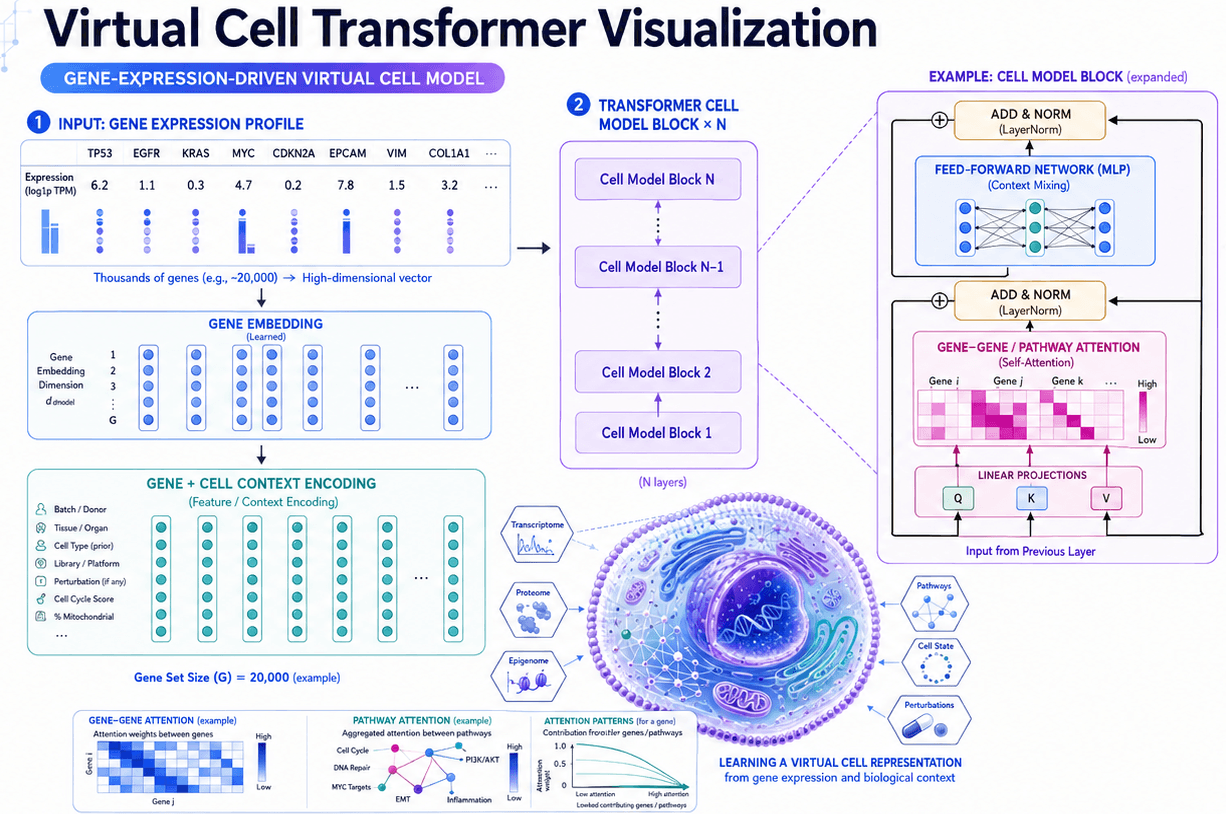
Learn virtual cell representations from gene expression and cell context to predict type, state, pathway activity, and perturbation response.
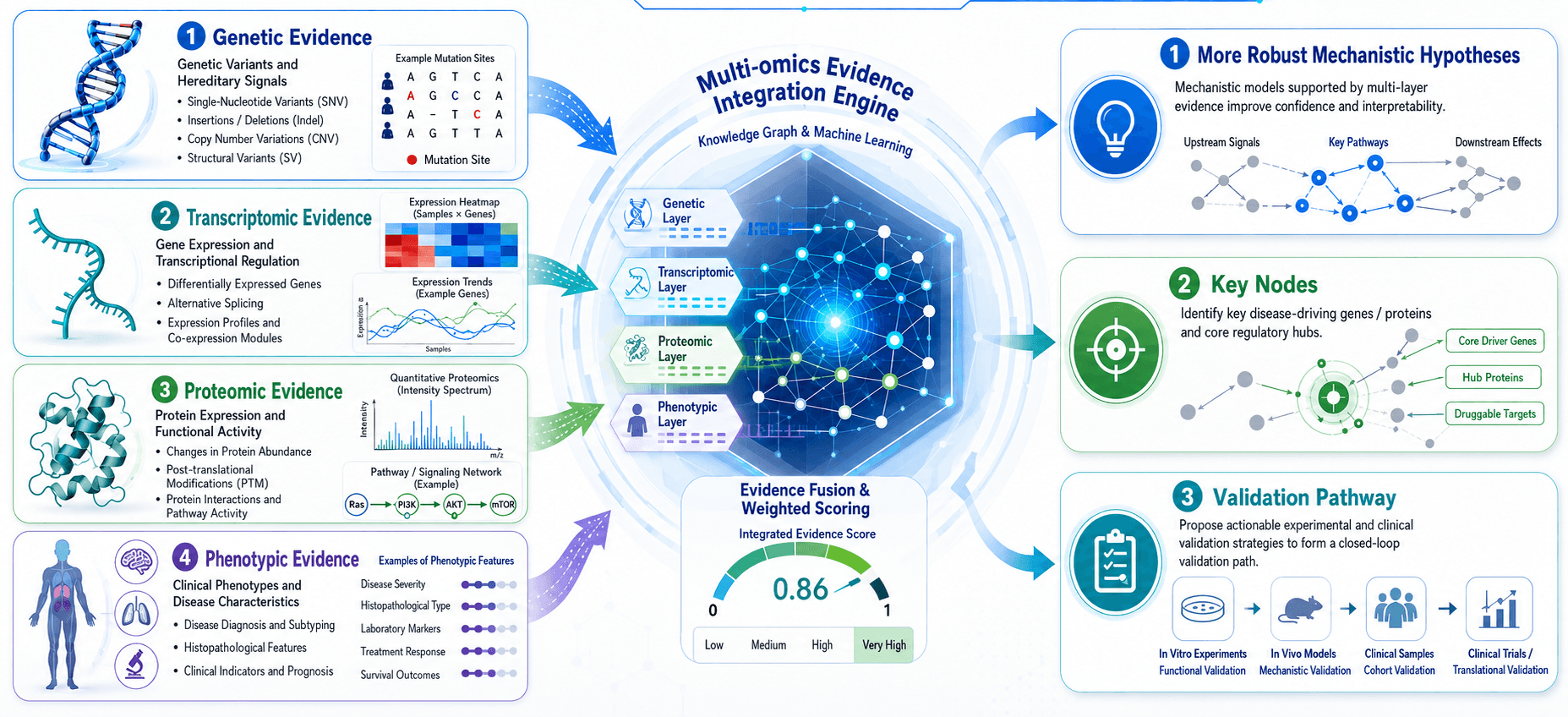
Combine genetic, transcriptomic, proteomic, and phenotype evidence into mechanism hypotheses, core nodes, and validation priority.
Clinical Data Integration
Align medical records, imaging, pathology, response, and follow-up data in one coordinate system so phenotypes and molecular mechanisms can be searched, compared, stratified, and modeled together.
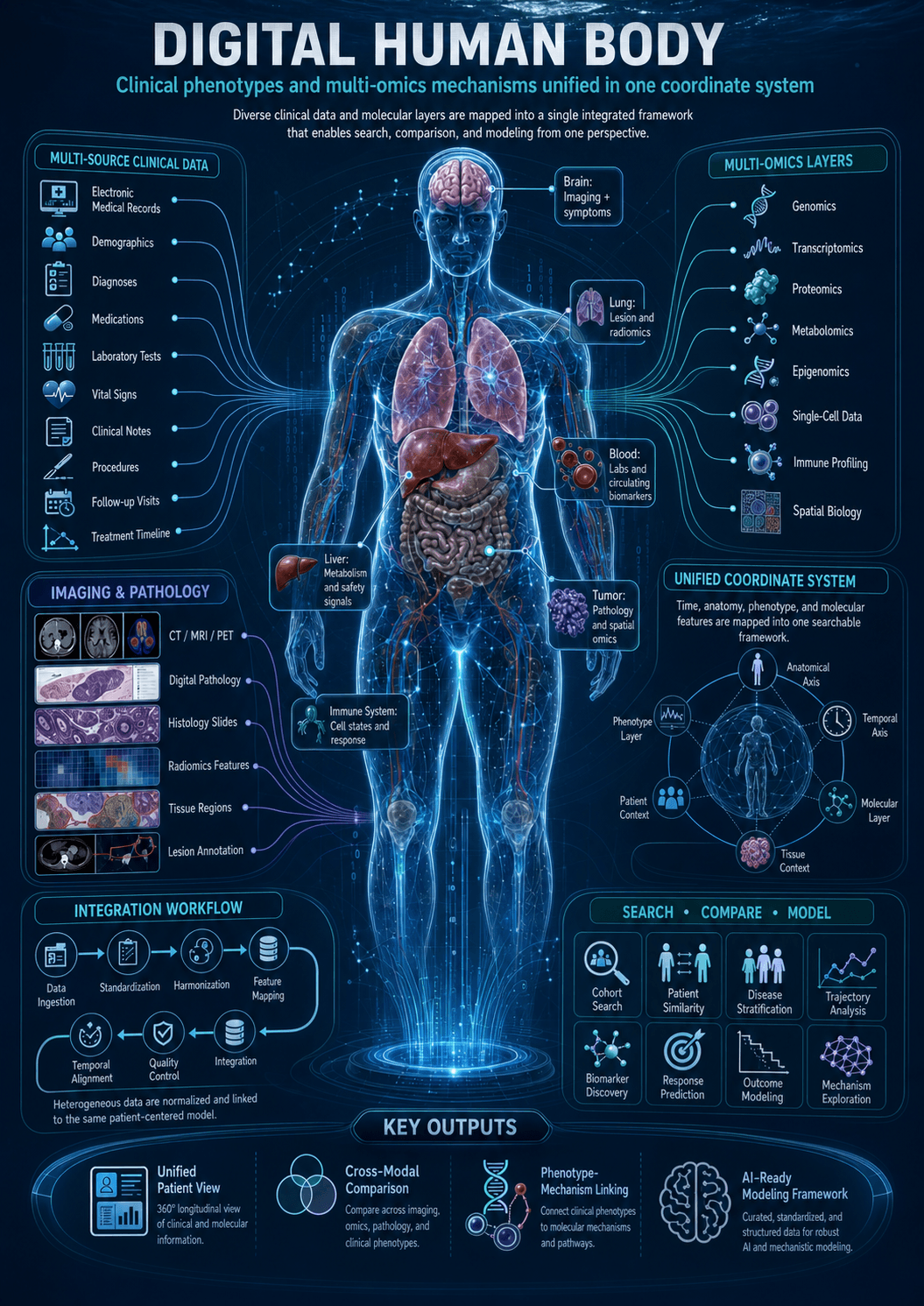
Phenotype Layer
Standardize history, staging, labs, medications, and disease course into comparable patient-level features.
Image & Pathology
Connect radiology, digital pathology, and tissue spatial context with molecular signals to strengthen clinical interpretation.
Outcome Modeling
Build cohort views around treatment response, relapse risk, and endpoints to support subgroup discovery and efficacy analysis.
Virtual Cell Intervention
Simulate target, pathway, and drug perturbations inside disease digital twins and virtual cell contexts, assessing state shifts, compensation, risk signals, and experimental priority before wet-lab work.
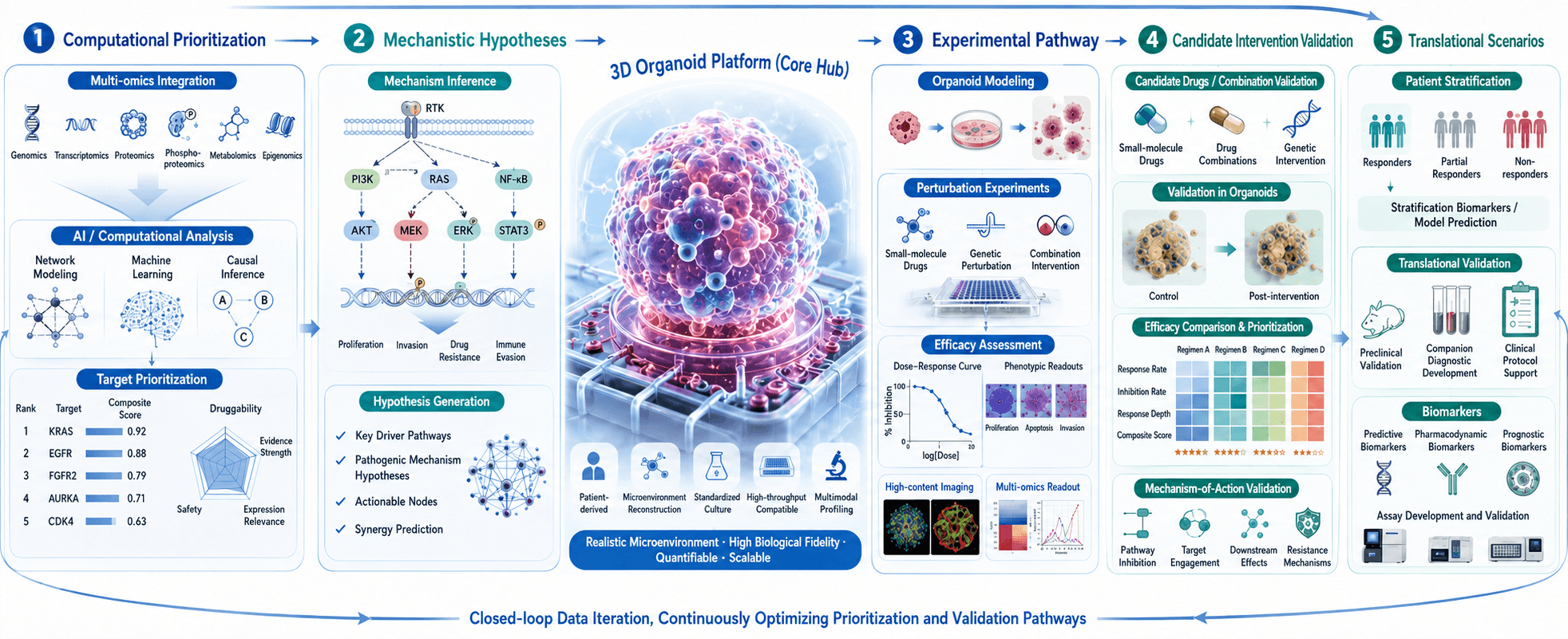
Fuse multi-omics and clinical context into a disease-relevant cell-state baseline with an intervention-ready space.
Test single-target, combination, and dose-dependent scenarios, then observe the response paths after intervention.
Track pathway echoes, compensatory circuits, and potential adverse-response signals to select robust outcomes.
Output the hypotheses, combinations, and intervention candidates most worth moving into organoid and wet-lab assays.
3D Organoid Platform
Use a 3D organoid platform that better reflects tissue structure and microenvironment to validate computational predictions, candidate interventions, and mechanism hypotheses.
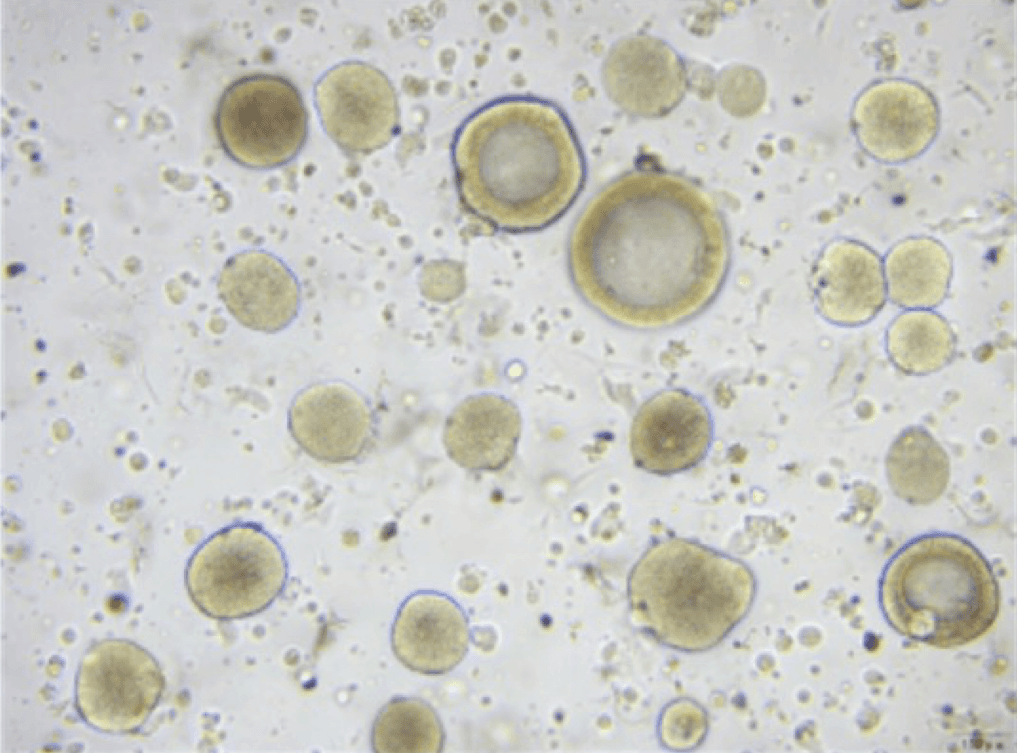
Organoid Model
Build three-dimensional disease models that capture tissue structure, cell states, and spatial relationships closer to real pathology.
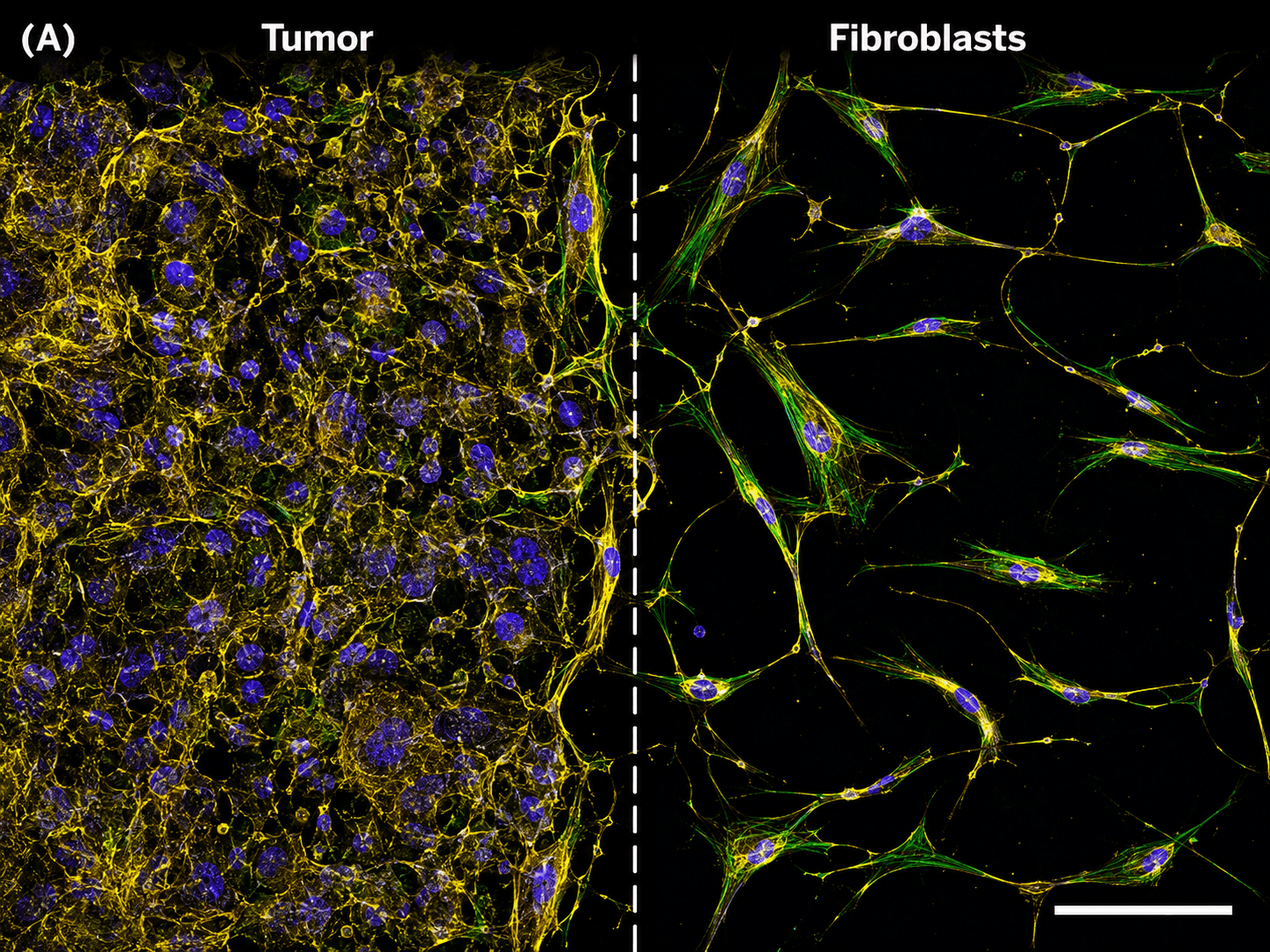
Microenvironment
Evaluate intervention effects under richer cell interplay, immune context, and stromal conditions to improve translational relevance.
Contact
To discuss multi-omics analysis, clinical data integration, virtual cell intervention, or 3D organoid validation, contact the CreateCured team.
Company
Shanghai CreateCured Biotechnology Co., Ltd.
Brand
CreateCured
info@createcured.com